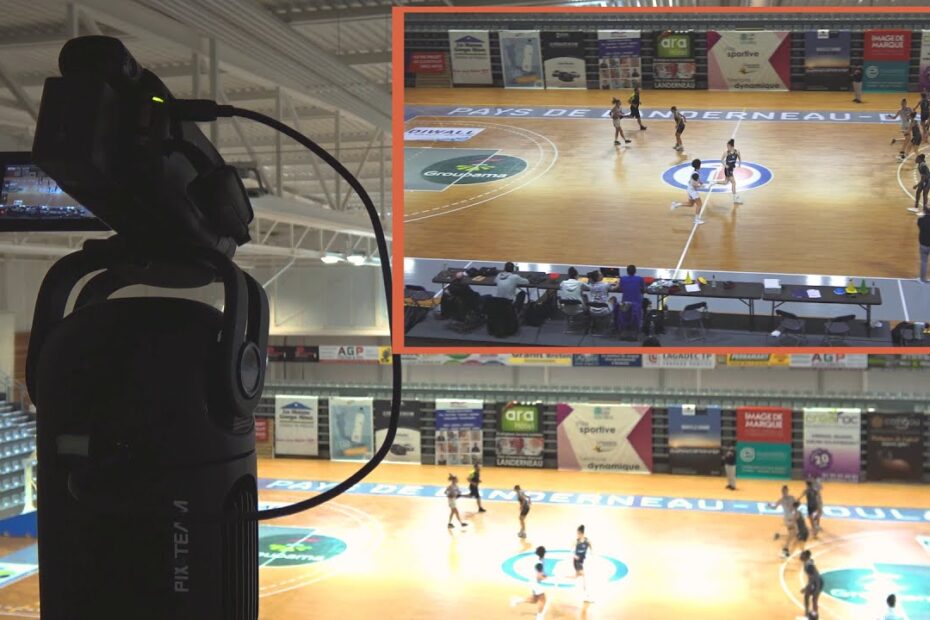
In modern sports, video analysis has become a powerful tool for athletes and coaches seeking to improve performance on the court. By reviewing game footage, players can gain valuable insights into their strengths, weaknesses, and overall gameplay. This method not only helps correct mistakes but also enhances strategic thinking and decision-making. Below, we explore the key benefits of video analysis and why it has become essential for athletes aiming to reach their full potential.
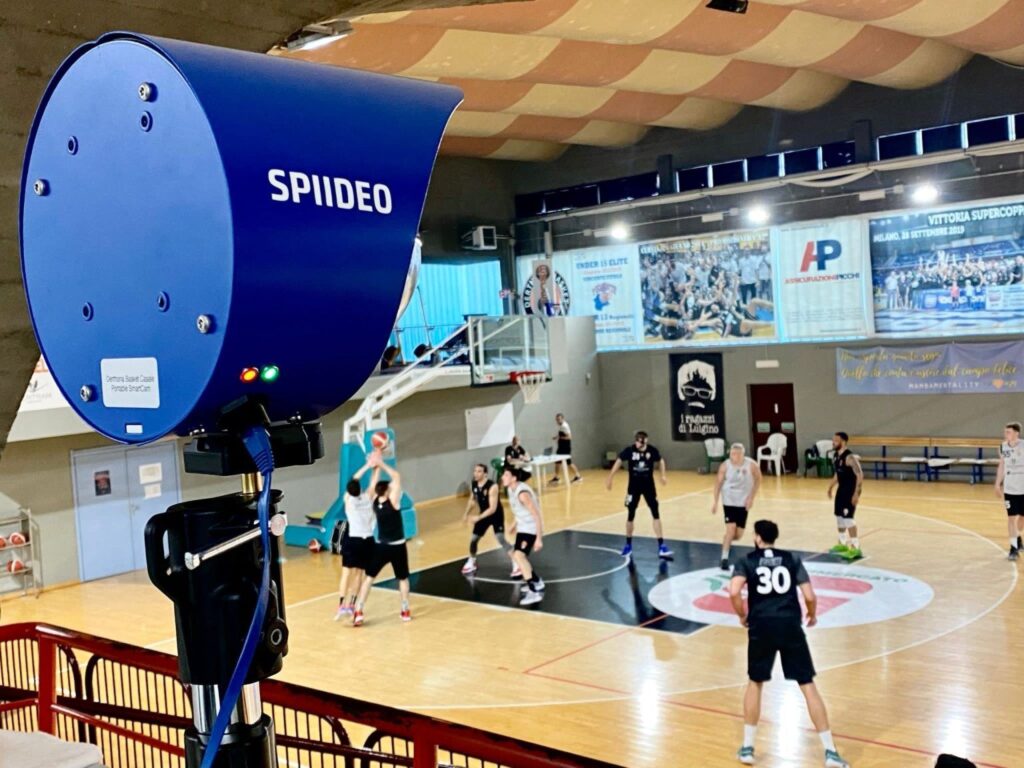
1. Identifying Strengths and Weaknesses
Video analysis allows athletes to see their performance from a new perspective. By watching footage, players can objectively evaluate what they do well and where they need improvement. For example, a basketball player may notice that they excel in fast breaks but struggle with defensive positioning.
Understanding these details helps athletes create a focused training plan to enhance their skills and address areas that require improvement.
2. Correcting Technical Errors
Sometimes, athletes are not aware of certain technical flaws in their performance. Video analysis provides a clear, visual breakdown of key movements, enabling players to spot errors in their form, footwork, or mechanics.
Coaches can use slow-motion playback to highlight specific mistakes and provide feedback, allowing athletes to make precise adjustments in practice.
3. Enhancing Tactical Awareness
In team sports, strategy and tactics play a critical role in success. By analyzing game footage, athletes can study both their own team’s plays and their opponents’ strategies. This helps players anticipate movements, improve decision-making, and adjust their tactics in real time.
For example, understanding how an opposing team defends against pick-and-roll plays can help a player make smarter decisions during a game.
4. Tracking Progress Over Time
Video analysis also serves as a powerful tool to monitor an athlete’s development. By comparing footage from different points in their career, players can see how much they have improved in various aspects, such as shooting accuracy, defensive awareness, or stamina.
This tracking motivates athletes to stay committed to their goals and provides clear evidence of progress, boosting confidence and morale.
5. Mental Preparation and Visualization
Watching video footage helps athletes mentally prepare for upcoming games. By visualizing themselves executing plays and strategies effectively, they can build confidence and reduce performance anxiety. Visualization, combined with video analysis, improves focus and helps players stay mentally sharp under pressure.
6. Team Communication and Collaboration
Video sessions provide a platform for athletes and coaches to collaborate and discuss improvements. Reviewing footage together fosters communication, allowing players to better understand their roles within the team and how they can contribute to overall success.
These sessions help create a unified team strategy, ensuring that everyone is on the same page when executing plays during games.
7. Learning from Top Athletes
In addition to reviewing their own performance, athletes can analyze footage of professional players to learn from their techniques and strategies. Studying how top athletes move, react, and make decisions on the court offers valuable lessons that can be applied to their own game.
How to Maximize the Benefits of Video Analysis
- Be Consistent: Make video analysis a regular part of your training routine.
- Focus on Specific Areas: Identify key aspects to analyze, such as offensive plays, defensive positioning, or specific matchups.
- Collaborate with Coaches: Work closely with coaches to get constructive feedback and create an actionable improvement plan.
- Apply Insights in Practice: Use the findings from video analysis to focus your training sessions on targeted improvements.